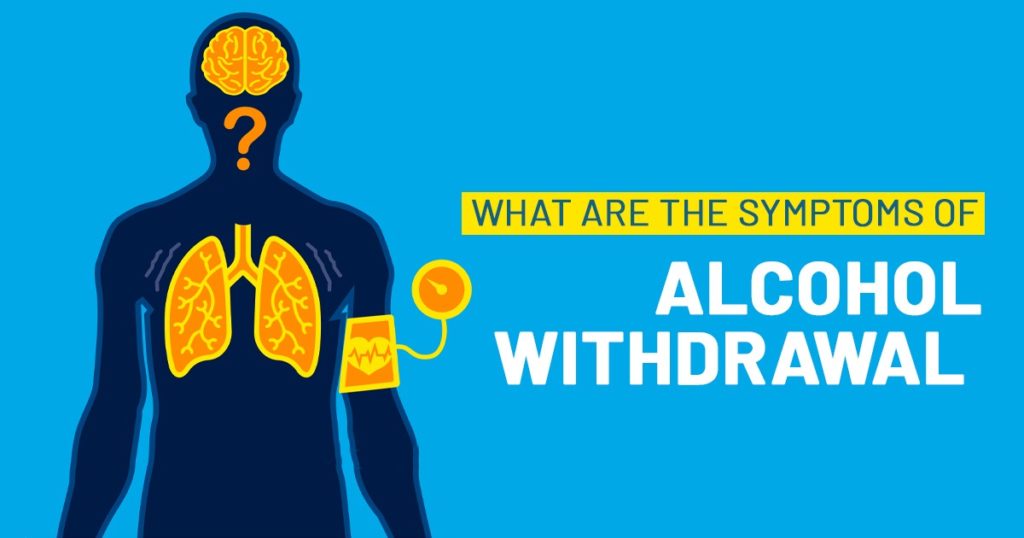
If you regularly drink large amounts of alcohol, especially if you’ve done that for an extended period, you may go through withdrawal when you stop. Alcohol withdrawal symptoms result from your body and brain trying to rebalance and learn to function again after you suddenly stop drinking. In this case, you must need alcohol detox treatment.
When you have alcohol use disorder, it affects your central nervous system and brain chemistry and brain function and structure. When your body adjusts to the effects of alcohol, it can be a shock to take that away, leading to withdrawal.
Symptoms of alcohol withdrawal can be mild, moderate, or severe. While severe alcohol withdrawal symptoms are most common in those who drink heavily, they are a medical emergency and can be deadly for some.
Alcohol withdrawal syndrome tends to include a combination of physical and psychological symptoms. Examples of uncomfortable withdrawal symptoms include fatigue, nausea, and anxiety.
Severe symptoms in a person who is dependent on alcohol include seizures and hallucinations, according to the Mental Health Services Administration.
Alcohol Withdrawal Symptoms
The symptoms of withdrawal from alcohol may occur anywhere from six hours to a few days after the last alcohol intake.
Most people going through withdrawal will experience a minimum of two of the following symptoms:
- Nausea and vomiting
- Other gastrointestinal disturbances
- Tremors
- Anxiety
- Headaches
- Rapid heartbeat
- Irritability
- Sweating
- Insomnia
- Confusion
- Nightmares or sleep disturbances
- High blood pressure
- Alcohol cravings
The symptoms as you go through withdrawal may worsen up to three days after your last period of alcohol consumption. Some mild withdrawal symptoms may persist for several weeks and be most noticeable when you first wake up.
Severe Form of Alcohol Withdrawal
The most severe type of alcohol withdrawal syndrome is delirium tremens or DT. Symptoms of delirium tremens include:
- Extreme agitation and confusion
- Fever
- Alcohol withdrawal seizures
- Having a sense of burning, itching, or numbness that aren’t there, known as tactile hallucinations
- Hearing things that don’t exist, known as auditory hallucinations
- Visual hallucinations
- Excessive sweating
- Rapid heart rate
- High blood pressure
- Fast breathing
AWS symptoms that are severe are a medical emergency. You should get immediate help from a healthcare provider if you or a loved one have these symptoms.
Some people wonder how they can predict whether they’ll experience severe symptoms following alcohol abuse. Risk factors for a more severe detox process include having an underlying medical condition, mental health disorder, or engaging in heavy drinking for years.
Treating Common Symptoms of Alcohol Withdrawal
The treatment protocol for alcohol withdrawal syndrome depends on the severity of symptoms. If you have a mild alcohol addiction and dependence, you may be able to go through detox at home or in an outpatient setting. If so, before doing so, consult a medical professional.
Not sure which program is right for you? Our admissions team is here to help — 100% confidential, no obligation.
Get Help Today →Due to the potential severity of withdrawing from alcohol, you should never attempt to do it on your own without any input from a medical professional. Even moderate symptoms can be tough to deal with.
If you’re going through withdrawal and detox at home, along with talking to a medical professional, someone should stay with you for at least a few days.
For someone with more severe symptoms, hospitalization may be the right option, or you could go to a medical detox in a rehab facility. A medically supervised detox can help you stay safe and comfortable. Doctors and medical professionals can monitor your vitals and provide any treatment you might need based on the severity of withdrawal symptoms.
How Long Do Alcohol Withdrawal Symptoms Last?
There isn’t one timeline that tells us how long alcohol withdrawal symptoms will last for every person. What we do have is a general guideline.
Some of the things impacting the general timeline of withdrawal symptoms include your excessive drinking patterns, your overall health, and whether you’ve previously had severe withdrawal symptoms.
- During the first eight hours after you have your last drink, you may begin to experience symptoms. Most symptoms start mildly and gradually. Some of the earliest symptoms include restlessness, pale, clammy skin, and nervousness. Shakiness, loss of appetite, and nausea can also occur.
- From the initial 12 to 24 hours after your last drink, your symptoms may become more noticeable. Symptoms may stay mild or get more severe. During this phase of alcohol withdrawal, you could have night sweats and nightmares, mood swings, depression, and brain fog. Some people will experience headaches or migraines, insomnia, and vomiting.
- From 24 to 72 hours after your last drink, symptoms will often peak. The most severe symptoms usually occur around this time, such as nausea, vomiting, and tremors.
Over the next few weeks, after you reach a peak of symptoms, you’ll start to begin to work toward feeling normal again. Those initial few weeks are still challenging, so be mindful and don’t be too hard on yourself during this time.
These are the weeks when your risk of relapse is highest, so be gentle with yourself as you progress through this period.
For all kinds of detoxes given below, you need to have a healthcare professional.
- detox for drugs
- best marijuana detox
- xanax detox
- heroin detox
- cocaine detox
- opioid detox
- detox from alcohol
- mental health treatment
- expressive arts therapy
- adventure therapy
- family therapy activities
- emdr trauma therapy
Does Xanax Help with Alcohol Withdrawal Symptoms?
We want to provide a word of warning here—some medications can help with alcohol withdrawal symptoms. Xanax is one example. You should only take Xanax when you’re receiving professional medical care. Don’t try to self-medicate with Xanax or anything else because you could increase your risk of severe symptoms or death.
Benzodiazepines, including Xanax, are the primary medication for the treatment of alcohol withdrawal.
Ready to take the first step toward recovery? We’re available 24/7.
Benzodiazepines can improve the effects of a neurotransmitter, gamma-aminobutyric acid (GABA), in the brain. By affecting GABA, Xanax can slow nerve impulses in the body. That slow-down then reduces the brain’s output of other neurotransmitters.
There are long-acting benzodiazepines and shorter-acting options. Long-acting benzos may be preferable in the treatment of withdrawal.
Due to the effects on the brain and central nervous system, benzos can help several alcohol withdrawal symptoms include seizures, tremors, sleeplessness, and restlessness. They can also help with panic and anxiety.
Along with Xanax, other benzodiazepines used as you detox following alcohol dependence include:
- Valium (diazepam)
- Librium (chlordiazepoxide)
- Ativan (lorazepam)
Taking benzos also have their own risk of substance abuse and side effects, which is why they should only be something you take under the careful supervision of a medical professional within the context of your medical history.
Other supportive care options, such as pain medications or sleep aids, can help in treating specific symptoms.
Does Exercise Help with Alcohol Withdrawal Symptoms?
There’s some evidence that exercise can help with alcohol withdrawal symptoms, but you should carefully engage in physical activity.
If you’re experiencing moderate to severe symptoms, you may not be able to exercise until you’re past the peak of symptoms. If you’re able, some of the ways exercise can help during this time include:
- Moving your body can help you eliminate some toxins and promote alcohol leaving your system.
- Exercise is one of the best natural ways to rebalance brain chemicals, including dopamine. Exercising, in particular, may help you deal with symptoms like anxiety and depression.
- Setting small goals for yourself and achieving them can help you feel more encouraged as you go through withdrawal. Something as simple as taking a walk can be one of those goals.
- When you start incorporating healthy activities into your life, including exercise, you’re establishing a new routine to follow in recovery.
- Exercise can help specific symptoms of withdrawal, including stress and poor sleep quality.
- Getting through those initial few weeks after you stop drinking is mentally tough, and the risk of relapse is high. Keeping your body busy will occupy your mind as you combat your physical dependence and go through the withdrawal process.
Getting Help
Your body is going through a lot as you go through alcohol detox. With that in mind, you should first get clearance from your doctor before you decide to no longer drink alcohol because it can be life threatening if done incorrectly.
If you’d like to learn more about drug & alcohol addiction treatment programs please call the Silver Lining Recovery national helpline at 866-681-0927.