According to the National Institute on Drug Abuse, when someone has a substance use disorder, it’s very common for them to also have some other mental health diagnosis. For example, addiction to drugs or alcohol addiction tends to co-occur with anxiety, depression, post-traumatic stress disorder, and other similar conditions. When someone has a substance use disorder and a mental or behavioral health condition, it’s called a “dual diagnosis.”
According to the Mental Health Services Administration, someone with a dual diagnosis requires specialized treatment. Based on information from the National Survey on Drug Use and Health, around 45% of people with an alcohol or drug addiction have a co-occurring mental health disorder.
When someone seeks out dual diagnosis treatment, it helps improve their overall outcomes. Without appropriate dual diagnosis treatment, you’re more likely to relapse even when you receive addiction treatment because you haven’t dealt with other things that play a role in the addiction.
What is a Dual Diagnosis?
Briefly, we touched on this above, but a dual diagnosis is when you have multiple diagnoses or co-occurring disorders. The term dual diagnosis doesn’t have to be exclusive to addiction and a mental health disorder, but this is the most common reference.
When you have a mental health issue that’s not well-managed, it can put you at greater risk of addiction. You may try to self-medicate to deal with your mental health disorder using drugs or alcohol.
Along with self-medication, researchers think there are other possible links between psychiatric disorders and addiction.
For example, some people may be predisposed to mental illness and addiction. On the other hand, using drugs or alcohol can affect the pathways in your brain that then contribute to the development of a mental illness.
The idea of a dual diagnosis can become like the chicken-or-the-egg conversation. Which comes first?
We don’t know for sure. There are bidirectional relationships between mood disorders and substance abuse.
For some people, the mental health issues could come first; for others, it could be the substance abuse disorder leading to mental health conditions. Regardless, dual diagnosis treatment is needed to help someone live a fulfilling, self-directed life.
Common Mental Health Disorders Occurring with Addiction
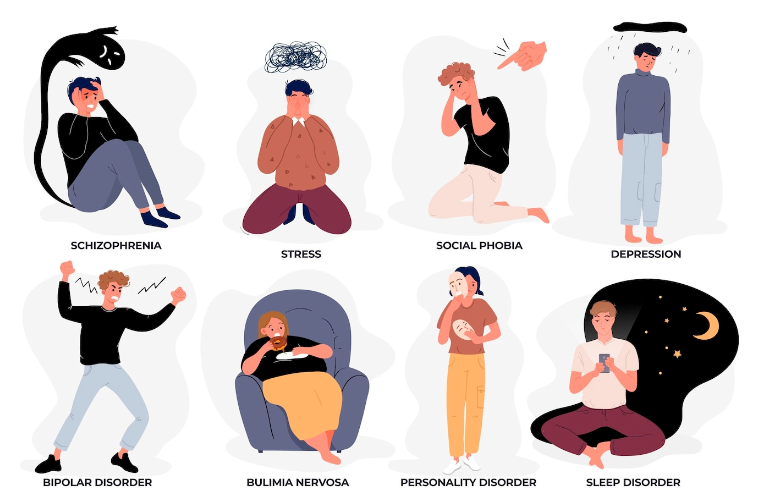
While this isn’t a complete list, some of the more commonly seen dual diagnosis disorders include:
Not sure which program is right for you? Our admissions team is here to help — 100% confidential, no obligation.
Get Help Today →- Attention-deficit hyperactivity disorder (ADHD): People with ADHD might be more likely to use substances to help with their symptoms. People with ADHD also may have a prescription for a stimulant drug, and there is an addiction potential with those. Sometimes, a person might turn to drugs or alcohol to deal with the symptoms of ADHD itself or the negative side effects of their prescribed medication. For example, they might have trouble sleeping when taking a prescription stimulant, so they start to use alcohol to fall asleep.
- Bipolar disorder: When someone has bipolar, they might use drugs and alcohol to deal with their symptoms, but they can also be more prone to risky behaviors, including drug or alcohol use, when they’re in periods of mania.
- Borderline personality disorder: More than two-thirds of people with borderline personality disorder have reportedly abused substances during their lives.
- Depression: Depressive disorder is one of the most common mental disorders in the United States, leading to self-medication and the use of drugs and alcohol as a coping mechanism. Unfortunately, drugs and alcohol can worsen depression after providing a potential reprieve. Addictive substances negatively affect brain chemistry, and complications can be more likely in someone with depression who also uses alcohol or drugs.
- Eating disorders: Dealing with eating disorders can lead to problems with self-esteem and self-worth, contributing to self-medication. There are also higher rates of stimulant use among people with eating disorders because they reduce appetite.
- Generalized anxiety disorder: GAD affects around 18% of the population of adults in the U.S. Addiction to alcohol or other substances can occur when someone tries to deal with symptoms of anxiety. Benzodiazepines are also a prescription medication for anxiety and panic disorders, with a potential for addiction and dependence.
- Post-traumatic stress disorder: PTSD leads your brain to produce fewer endorphins. Someone with PTSD can also have unresolved trauma, and they might use substances to escape the painful or traumatic memories they have.
Alcoholism and Depression
Drug and alcohol abuse and mental health disorders often go hand in hand. According to the National Institute on Drug Abuse (NIDA), “Many individuals who develop mental health disorders are also diagnosed with substance use disorders and visa versa.” One of the most common co-occurring disorders is alcohol use disorder (AUD) and depression. Those with an AUD or alcoholism are almost four times more likely also to have a major depressive disorder. Scientists and healthcare providers have known these statistics for some time now; however, Michigan State University researchers may have uncovered key predictors (such as stress level tolerance) for the combination of these disorders. This new research is very promising as it could help in both prevention and addiction treatment. (Michigan State University Today, 2020).
What is a Major Depressive Disorder?
To understand this study and its significance, it’s crucial to understand what depression is and what it isn’t. According to the Mayo Clinic, “depression is a mood disorder that causes a persistent feeling of sadness and loss of interest. Also called a major depressive disorder or clinical depression, it affects how you feel, think, and behave and can lead to a variety of emotional and physical problems.” Clinical depression can happen once or occur in multiple episodes, and it isn’t something you can “snap out” of or fix without professional help. Additional symptoms of depression include:
- Feelings of sadness, emptiness, or hopelessness
- Loss of appetite or weight loss, or excessive eating and weight gain
- Anxiety or restlessness
- Insomnia or excessive sleeping
What Is Dual Diagnosis Treatment?
Many overlapping factors can worsen a substance use disorder or a mental health disorder.
For example, when someone abuses drugs, it can create symptoms that themselves are similar to a mental illness. Having a genetic predisposition to addiction can also mean that someone has a predisposition to addiction, and triggers in the environment can contribute to developing both a mental disorder and an addiction.
Signs of a co-occurring disorder that may require a dual diagnosis program include:
- Problems managing responsibilities in daily life
- Neglecting health and personal hygiene
- Sudden changes in behavior
- Avoiding socializing or activities that were previously enjoyable
- Cognitive impairment
- Delusional thinking
- Suicidal thoughts or behaviors
- Impulsive or erratic behavior
- Legal or financial problems
- Declining performance at school or work
Due to the complexities and overlaps, dual diagnosis treatment can be difficult. It’s important to find experienced, qualified dual diagnosis treatment centers.
The treatment team has to be skilled at figuring out how the addiction and mental disorders are separate from one another as well as the overlaps.
Taking an Integrated Approach to Treatment Options
The best care when dealing with co-occurring disorders is an integrated treatment approach, where both conditions are treated simultaneously. Regardless of which disorder came first, long-term recovery requires treatment for both
Treatment for the addiction part of a dual diagnosis might include a medical detox. During detox, a patient receives medical care for their symptoms of withdrawal. Management of withdrawal symptoms in a medical environment can reduce the risk of relapse.
Ready to take the first step toward recovery? We’re available 24/7.
Dual diagnosis treatment centers will offer different behavioral therapy and support groups.
Treatment for mental health problems may include working one-on-one with mental health professionals and participating in group counseling sessions and self-help groups. Someone might learn lifestyle changes that can help them better manage their mental health condition.
Many medications are also available to treat mental health symptoms and psychiatric illnesses.
Finding the Right Dual Diagnosis Treatment Program
When comparing dual diagnosis treatment programs and mental health treatment, there are some things to keep in mind.
First, make sure the treatment program uses evidence-based methods, meaning they’re well-researched and backed by science. An individualized treatment plan is needed because no two people are the same, nor are their mental health needs.
You should also ensure the treatment program has experience with your particular diagnoses. Some programs will specialize in one area of mental health, for example, depression, but don’t treat others.
Talk to a treatment facility about whether or not they will treat your mental health disorder and addiction simultaneously and their philosophy toward treatment.
Inpatient or outpatient programs can treat a dual disorder. For higher-acuity co-occurring cases, a structured outpatient option like a partial hospitalization program (PHP) can provide near-daily clinical support without requiring an overnight stay. It’s best if you find a setting you’re comfortable with.
It can feel overwhelming enough to have a substance use disorder. That becomes more difficult when psychiatric symptoms complicate life, but treatment and recovery are possible with the right program. We encourage you to contact Silver Lining Recovery confidentially by calling 866-681-0927 to learn more about dual diagnosis treatment in Huntington Beach, CA.