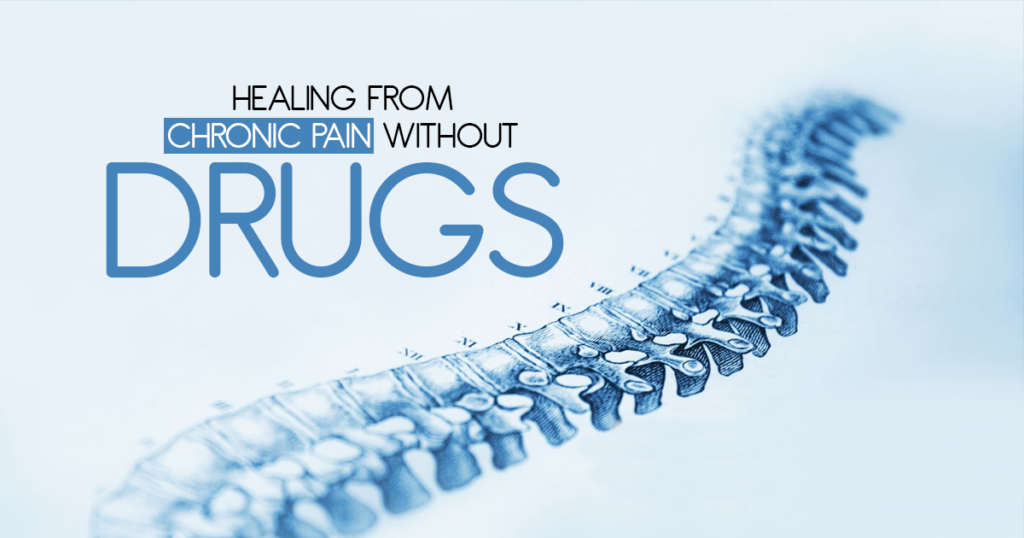
Chronic pain is a medical condition that can last for months or years in contrast to short-term, acute pain. This type of long-term pain can affect any part of your body, significantly impacting your daily life and quality of life.
Unfortunately, chronic pain is associated with anxiety, depression, and substance abuse.
There are ways to avoid the use of drugs when you have long-term pain. Using natural treatments for chronic pain is something you should talk to your doctor about, particularly if you’re worried about the risk of addiction. For those already dependent on prescription opioids, supervised medication-assisted treatment options can reduce that risk under clinical oversight.
Understanding Chronic Pain
Chronic pain lasts more than several months. More than several months usually means anywhere from three to six months and longer than what a medical professional would consider the normal healing window.
There are tens of millions of Americans who are chronic pain patients. People with severe pain often have worse health overall, use more health care, and have more disability than people with less severe pain.
Everyone experiences pain from time to time, and it’s a normal reaction of your nervous system when you’re injured. After an injury, pain signals will travel from the hurt area to your spinal cord and then to your brain.
As the injury heals, the pain typically becomes less severe.
Chronic pain is different. Even once the acute injury heals, your body keeps sending your brain pain signals. This can last for years, reducing your mobility, strength, flexibility, and endurance. There are impacts on functionality, and you may find daily living becomes increasingly difficult because of the adverse effects.
Ongoing pain can be dull or sharp. Some people feel it as a sensation of burning or aching. The pain can be intermittent, meaning it comes and goes, or it can be steady.
Types of long-term pain that are most common include:
- Chronic low-back pain
- Post-trauma pain
- Post-surgical pain
- Arthritis pain and joint pain
- Cancer pain
- Neuropathic pain
- Headache
- Pain not caused by injury, illness, or nerve damage which is known as psychogenic pain
Is Chronic Pain a Disability?
The answer is yes, it can be. Long-term pain is the most common cause of longer-term disability in the United States, affecting around 100 million people. Persistent pain is one of the primary reasons many people in the U.S. receive Social Security Disability benefits due to the enormous effects on daily activities.
What Causes Long-Term Pain?
There is often an initial injury leading to ongoing pain. For example, someone might experience a back sprain or a pulled muscle. Doctors and researchers think then longer-term pain can occur after the nerves are damaged. The nerve damage creates longer-lasting, more intense discomfort.
Not sure which program is right for you? Our admissions team is here to help — 100% confidential, no obligation.
Get Help Today →In these situations, treating the underlying injury won’t alleviate the pain.
There are also instances where people have long-term pain without an identifiable injury.
These situations can result from a wide variety of underlying health conditions like:
- Chronic fatigue syndrome includes symptoms of constant fatigue and often pain
- Endometriosis, where the uterine lining grows outside the uterus
- Fibromyalgia is a widespread muscle and bone pain
- Inflammatory bowel disease is a set of conditions causing inflammation and pain in the digestive system
Certain people are more at risk for long-term pain than others. It’s most common in older people. Being female, being overweight or obese, having surgery, or having an injury are also risk factors.
Dealing With the Opioid Crisis Head On
The intersection between pain management and opioid regulation is a very complex and delicate area. Those in chronic pain need relief and compassion, but dealing with the misuse, addiction, and overdoses associated with the use of opioid medications poses major challenges. In response to these issues, the U.S. Department of Health and Human Services (HHS), the Centers for Disease Control and Prevention (CDC), and the National Institutes of Health (NIH) are focusing their efforts on several major priorities:
- Improving access to addiction treatment and recovery services and educating health professionals on how to manage chronic pain in adults with or in recovery from a substance use disorder (CDC).
- Supporting healthcare providers and health systems with information, tools, and guidance for evidence-based decision-making to improve opioid prescribing and patient safety.
- Promoting the use of overdose-reversing drugs (i.e., Narcan).
- Providing increased support for research on pain and addiction to inform healthcare practices, reduce opioid prescribing, and combat the opioid crisis.
- Advancing better practices for pain management, including alternative treatments and integrative approaches for managing pain.
- Educating the public of the epidemic through better public health campaigns and encouraging the safe collection and disposal of unused prescription drugs.
Chronic Pain Treatment
The primary goal of healthcare providers when they’re treating long-lasting pain is to reduce it and improve mobility. You want to return to your daily life and activities without feeling like you’re experiencing discomfort.
There are medications, including over-the-counter pain relievers, that can help. Opioid pain relievers are also an option, but they have risks. Opioids are prescription pain medications that are highly addictive and can also lead to overdose and death.
Medical treatment and procedures for pain include electrical stimulation, nerve block, and surgery.
Lifestyle remedies can also help, which we’ll talk more about below.

Chronic Pain and Addiction
Unfortunately, pain that’s chronic often co-occurs with substance abuse and addiction. One reason is the fact that opioids are a treatment option. A physician should only prescribe opioids as a last resort.
Opioids can produce psychological addiction and physical dependence.
Ready to take the first step toward recovery? We’re available 24/7.
The opioid epidemic that’s ongoing in the U.S. started with patients being prescribed opioids for pain and injuries. Then, after becoming addicted to the prescription, they started to misuse opioids and often street drugs like heroin.
When you take opioids, they bind to receptor sites in your brain and your central nervous system, creating pleasure and euphoria. The reaction reduces pain, but there’s also activation of the reward response in the brain. That reward response is what leads to the development of an addiction.
There are less direct ways dealing with pain can also lead to addiction, many of which stem from the effects of experiencing pain and physical impairments on your mental health.
For example, since chronic pain is a disability, you may be isolated while dealing with it. You may not be as mobile or active as you once were, and pain is often described as an invisible disability. You can feel like no one understands what you’re going through. Depression is very common in people dealing with long-term pain.
These are all factors contributing to addiction and self-medication using drugs and alcohol.
Natural Treatments for Chronic Pain
If you’re dealing with pain, talk to your health care provider about alternative treatment and alternative therapies they think could be a good fit for your pain symptoms.
Guidelines from the American College of Physicians recommend trying non-medication approaches as an initial treatment option for many types of pain.
The American College of Rheumatology also mentions complementary health approaches when describing guidelines to manage osteoarthritis and rheumatoid arthritis.
Examples of natural treatments for chronic pain include:
- Acupuncture: There’s a fair amount of research and scientific evidence supporting acupuncture as an effective treatment for pain. A systematic review published in the Journal of Pain concluded acupuncture is effective for many chronic pain conditions. Researchers felt the results were consistent over time, and benefits couldn’t be exclusively attributed to the placebo effect.
- Exercise and physical activity: It’s difficult to exercise when you’re dealing with pain, but it can be helpful if you can manage even gentle movement. Swimming is a good example of an exercise that works well for someone who has a pain condition. When you’re physically active, your body produces natural painkillers like endorphins. Start slowly and gradually work your way up to more activity.
- Supplements or alternative medicines: Talk to your health care provider about supplements or herbal remedies they recommend to help with pain and discomfort, like fish oil or turmeric, which have anti-inflammatory effects. Researchers looked at patients taking fish oil for neck and back pain in one study. After 75 days, more than half of the participating patients said they were able to stop their prescription pain medications.
- Meditation: Learning to meditate and be present and mindful can help reduce pain. Meditation can also help with anxiety and depression.
- Physical therapy: Many health care providers encourage physical therapy as part of a treatment plan for chronic pain management. If your health care provider recommends you participate in physical therapy, follow their instructions.
If you’re struggling with addiction due to persistent pain or a chronic condition, call Silver Lining Recovery at 866-681-0927. We can speak with you confidentially as you explore the available options, so please get in touch when you feel comfortable doing so. We can help you improve your quality of life in so many ways.