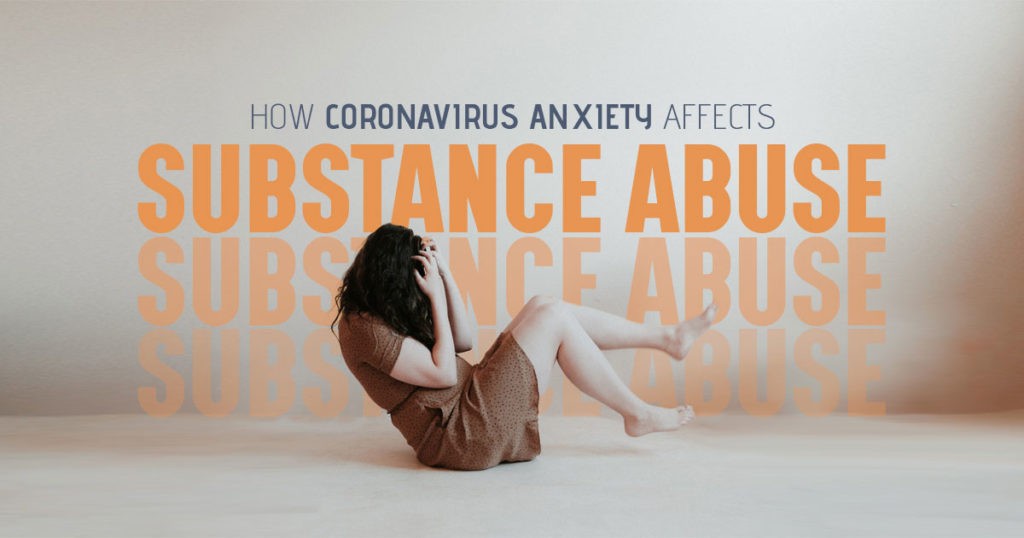
The COVID-19 outbreak has changed all of our lives. This is true for people around the globe, as is the case with serious infectious diseases. There are so many aspects of coronavirus anxiety that can then carry over into other parts of your life.
Researchers and mental health experts think the fear we feel about coronavirus and the subsequent mental health effects of the pandemic could last for decades in the United States and elsewhere. The mental health response worldwide hasn’t seemed to keep pace with many people’s needs.
The coronavirus outbreak also heavily affects people with pre-existing mental health concerns, suicidal ideation, and substance use disorders.
You aren’t powerless if you’re dealing with coronavirus anxiety or a substance use disorder that started or got worse since March 2020. Mental health care is available which is the most important thing you can take away.
Understanding Coronavirus Anxiety
It seems like every day, we’re inundated with messages online, on social media, and via the news about the coronavirus disease. We see images of suffering and sickness, and many of us are also affected personally. You may have gotten ill from the virus, or perhaps you have a loved one who did during the COVID-19 pandemic.
- With more than 750,000 Americans having died from COVID-19 and complications, many people know someone that’s one of these tragic statistics.
- You may worry about your loved one’s health and your health or have death anxiety due to the coronavirus epidemic.
- There are also changes in routine and lifestyle that can worsen anxiety and other mental health disorders.
- For example, in the spring of 2020, life came to a halt in many ways. Shutdowns led to isolation, and as a result, there was a record number of overdoses last year.
- Your routines such as school, work, going to the gym, or socializing may have been interrupted.
- If you were a nonessential worker, you might have lost your job and employment status. There was an ongoing fear about continuing your job despite the risks for those with essential worker status.
Many things have reopened because of the rollout of vaccines, but there’s still not the sense of normalcy we had before the pandemic. There are continuing soaring confirmed COVID-19 cases. Public health officials still warn about the risks.
The stress and elevated anxiety symptoms of the pandemic are so significant for many of us that people are experiencing mental health symptoms and physical symptoms. For example, NPR recently covered widespread hair loss resulting from the stress of COVID-19.
We are constantly living in a state of arousal because of fear and high anxiety levels. Our sympathetic nervous systems are always activated and overwhelmed by severe anxiety. We can only hold out like that for so long before we experience a crash of some type.
If you already had a generalized anxiety disorder or a depressive disorder before the onset of pandemic stress, the mental health impact may be more significant on you.
Not sure which program is right for you? Our admissions team is here to help — 100% confidential, no obligation.
Get Help Today →Managing Anxiety During the Coronavirus
It is normal to feel anxiety during this time of uncertainty. Remember to keep in contact with your friends and family, whether it is through phone calls or video chats. Let them know how you are feeling and they will be a great source of comfort to you. It is also important for you to stay active in your home by catching up on house cleaning or home repairs.
Watching a lot of funny movies or reading an entertaining book can boost your mood as well as your immune system. Meditation is also a good tool to keep you in touch with your emotions and to stay in the present moment. Now is the best time to take care of yourself without any distractions.
COVID PTS
There are issues people are experiencing with anxiety and also conditions like PTSD. For example, if you had a severe case of PTSD or you were hospitalized, you may be grappling with ongoing PTSD during the coronavirus crisis.
According to a systematic review published in the journal General Hospital Psychiatry, COVID-19 patients hospitalized who were later discharged experienced higher rates of post-traumatic stress, loneliness, and anxiety than people discharged from the hospital during the same time for reasons, not due to the virus.
Signs Your Coronavirus Anxiety Symptoms May Require Treatment
It’s normal to experience some level of anxiety when there is a widespread, traumatic event like what’s been going on the past couple of years. There are probably very few people who didn’t experience anxiety at some level. However, there are signs that your symptoms may be getting more serious that you should watch for, which can become dysfunctional coronavirus anxiety.
- You are compulsively checking yourself or others for COVID symptoms.
- You avoid public places
- Obsessive cleaning
- Being resistant to take public transportation
- You have a hard time thinking about anything besides COVID
- Your anxiety interferes with your functionality and daily life
- You continue to isolate yourself from others even when it’s not necessary
- There’s a sense of hopelessness or bitterness you have about the pandemic
- Sleep problems
- Physical symptoms like stomachaches or headaches.
Some researchers are giving it a name—COVID-19 anxiety syndrome or CAS.
You might ask yourself if you’re concerned about your own potential coronavirus anxiety symptoms whether or not your response is appropriate to the threat of danger. You also have to consider whether you’re following health guidelines or you’re going out of your way to avoid situations and people when it’s not necessary during the COVID-19 epidemic.
Another red flag you might think about is whether your loved ones have expressed concerns about your behaviors or mental status. Sometimes the people around us can see things before seeing them in ourselves.
Ready to take the first step toward recovery? We’re available 24/7.
The Pandemic and Substance Use
Researchers say that in addition to an increase in symptoms of anxiety, depression, and other mental health disorders, the pandemic has also triggered increases in substance use and drug overdoses in the U.S.
There are a lot of converging risk factors happening during the COVID-19 crisis, including the adverse effects of public health measures.
- First, people didn’t access some of their recovery resources early in the pandemic. For example, meetings may have been canceled as there were many non-essential medical services. Those services could have included therapy appointments. Those resources are vital to the well-being and staying connected to recovery.
- Whether or not someone had a substance use disorder during the pandemic, isolation and social distancing are significant contributors. Isolation and loneliness could have given rise to substance use disorders or made them worse.
- There was also less overall oversight regarding how we live our lives and follow norms. For example, if you were on social media during the spring of 2020, you likely saw a lot of memes and references to drinking all day. People didn’t have to go into the office, and they were living in a state of fear and uncertainty, changing substance use habits.
- Substances like drugs and alcohol are a coping mechanism for some and a way to self-medicate symptoms of anxiety and depression. As we mentioned above, those conditions were on the rise during the pandemic.
What Can You Do?
If you have a substance use disorder, it’s unlikely you’re going to be able to overcome this on your own without professional treatment. Addiction is a chronic disease. You can talk to a treatment center to learn more or simply start by speaking to your doctor.
If you don’t think you have a substance use disorder but you’re experiencing significant COVID-19 anxiety, there are things you can do on your own to help yourself.
- First, take it slow as far as how you go back into the world or the things you do. Make it a goal to maybe once a week, return to doing things normally and see how that goes.
- You also have to be mindful of your media consumption. It’s good to be informed, but we often see so much negativity. Set a limit on the amount of time you can consume media each day, particularly related to coronavirus disease.
- Counseling and working with a mental health professional can also be an excellent resource if you’re grappling with anxiety, depression, or symptoms of any other mental health condition right now. A counselor can help you work through the psychological impact of what’s going on.
- A therapist can also determine whether you’re dealing with just pandemic-related stress or if there are other underlying behavioral health conditions like posttraumatic stress disorder or obsessive-compulsive disorder.
Treatment Options
Right now, if you feel that you are still struggling because of elevated anxiety or a substance use disorder, the best thing you can do is realize treatment options are available. One of the barriers people see as preventing them from getting treatment is not knowing where to start or maybe feeling ashamed.
Unfortunately, the current COVID-19 pandemic is having a considerable impact on the prevalence of depression and other mental health disorders. You can change the trajectory of your mental health outcomes.
We can help you take the first steps toward behavioral therapy, and we also want to emphasize there is nothing shameful about getting help for addiction or mental health disorders. Reach out to Silver Lining Recovery today by calling 866-681-0927 to learn about behavioral therapy for anxiety, depressive symptoms, substance abuse, or other symptoms of a mental health disorder.