
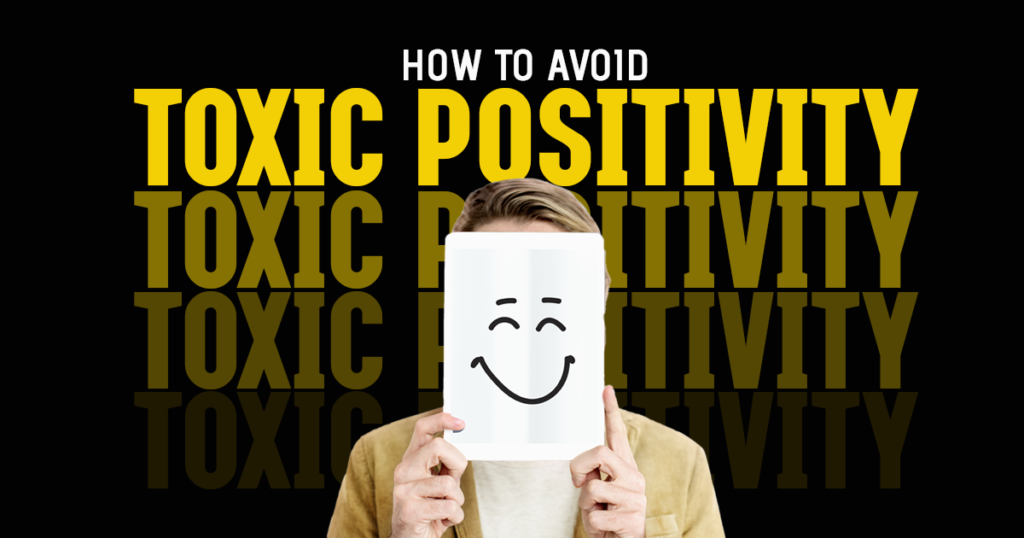
Toxic positivity is the false presumption that a person should be happy all the time, no matter the circumstance. People who use toxic positivity can be all around us- in workplaces, friend groups, churches, and families. An individual may discover they are the ones displaying toxic positivity themselves. When discussing toxic positivity, it’s important to understand what it is, identify it, and avoid it.
What is Toxic Positivity?
The term itself can sound confusing. A better question might be, “How can positivity be toxic?” A positive mindset is not always a bad thing. To lead a happy lifestyle, it is essential to look for the good in a situation. However, this can quickly turn toxic if you do not allow yourself to feel negative emotions or find yourself harboring any feeling that doesn’t bring you joy.
Why is Toxic Positivity Harmful To Me?
Lisa Firestone, Ph.D., states that not allowing yourself to experience negative emotion can actually lead to mental health problems, such as depression and anxiety. She also says that one can turn to substance abuse to deal with pent-up emotions in some cases.
Because of this finding, we mustn’t be overly optimistic in difficult seasons of life. Suppressing emotion is also one of the clearest behavioral patterns behind high-functioning anxiety, where outward composure conceals chronic internal worry.
Why is Toxic Positivity Harmful to Others?
It isn’t just harmful to you. This way of thinking can also be mentally dangerous to those around you. You can discourage people from being open and honest about painful situations and negative feelings. Those who come to you may start to suppress discomfort, damaging a person’s psyche. They may start to believe that their problems in life aren’t real problems. Individuals can be under the false idealization that people are supposed to be happy all of the time, and something is wrong with them or their life if they aren’t continually expressing joy. Other ways toxic positivity can harm a person is by:
- Avoiding communication with others
- Causing feelings of loneliness or isolation
- Leading those to be less likely to seek professional help in instances of mental health issues
- Ignoring real problems in their daily lives or lives of those they love
How Do We Identify Toxic Positivity?
Noticing patterns within yourself and those around you is a great start. The best way to learn to identify is through self-awareness. Maybe start by asking yourself, “How do I respond to life pressures?” or “When is the last time I spoke with someone about what I’m going through?” If you have a hard time answering these reflective questions, it may be beneficial to take a step back and reevaluate how you have been handling your emotions.
Others may show signs of toxic positivity in how they react when presented with unfavorable circumstances. For example, if you’ve ever tried to talk to a friend about health troubles and they responded with “Well, at least you’re still alive!” or “Things could always be worse,” that person has a toxic mindset. Other examples of toxic positivity include:
Not sure which program is right for you? Our admissions team is here to help — 100% confidential, no obligation.
Get Help Today →- Refusing to listen to a person who is experiencing pain
- Urging others to always “look on the bright side.”
- Redirecting hard conversations to showcase the good
- Viewing seemingly happy people as elite or better than others
- Not participating in emotional discussions to avoid negative talk
It’s also possible that you may be the person pushing toxic positivity onto those around you. Ask yourself how you respond to others when they vent about problems in their own life. Revisit past conversations you’ve had with loved ones over challenging topics. Try to think of a time that you responded with empathy.

How Do We Avoid Toxic Positivity?
One of the best ways to avoid toxic positivity is through honesty. If a friend or family is exhibiting signs of harboring negative emotions or pushing a false sense of happiness on to others, don’t be afraid to bring it to their attention. Most people do not even realize they are being toxic. Although this type of behavior is not beneficial, it is usually not intentional. Sometimes people need help recognizing their own destructive behaviors. Opening up the conversation makes room for change and personal growth.
It is essential to be honest with yourself, too. Self-reflection and self-awareness both go hand in hand in combatting toxic positivity. If you are unsure if you are exhibiting these behaviors to yourself or others, ask those around you. The people in your life will help you recognize and overcome this harmful way of thinking.
Another way to avoid toxic positivity is to protect your mental well-being. If you have tried to talk to someone in your life about their unhealthy mindset and they refuse to change, you may want to step back from that individual for a while. It may even be best to remove that person from your life in some circumstances.
If you have discovered that you have been pushing toxic positivity on others, you can correct your behavior by:
Ready to take the first step toward recovery? We’re available 24/7.
- Welcoming conversations where people will express negative emotions
- Avoiding only positive reactions
- Asking for forgiveness from people who were hurt by your toxic positivity
- Learning from past mistakes
Furthermore, if you have found yourself internalizing toxic positivity, you can help yourself by:
- Accepting that life will have challenging moments, and negative emotions will follow.
- Practicing expressing your own negative feelings with trusted individuals
- Seeking support to help correct your self-destructive behavior through a mentor, friend, or therapist
- Allowing yourself to heal from past misconceptions about your own feelings
Overcoming Toxic Positivity in Recovery
Overall, having a positive mindset is beneficial to having a happy life. However, one should not expect life to be good all the time. The truth is, life is full of bumps in the road, and everyone will feel its effects at some point in their life. It is not healthy for individuals to tell themselves that they should not feel negative emotions, and it’s not fair for individuals to push that same belief onto other people. It is possible to have a happy, healthy mind without compromising the importance of feeling unhappy emotions.
If you’re looking to overcome addiction and find a support group of peers in the Los Angeles area, start by calling 866-681-0927 to talk to a team member at Silver Lining Recovery today!