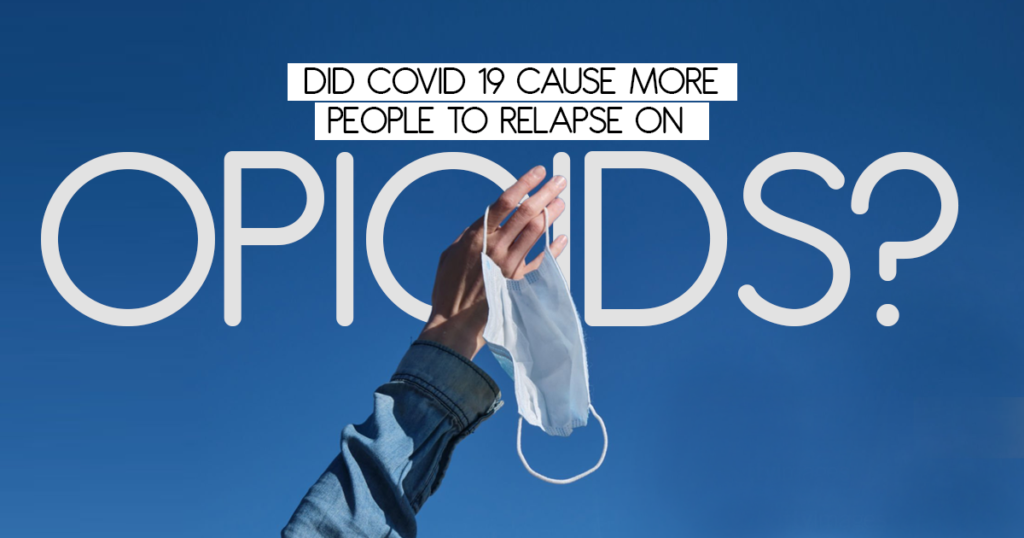
The COVID-19 outbreak has taken a significant toll on people physically and mentally worldwide. One area of impact has been relapses, and related drug overdoses. The rate of relapses on opioids has gone up for people previously in recovery, as have other drug relapse rates.
The links between COVID-19 and drug addiction, including new addictions and relapse, are undeniable.
Understanding how the pandemic affects addiction and people with substance use disorders is an important part of supporting people who need help.
The Effects of the COVID-19 Pandemic
The COVID-19 risk situation seemingly came out of nowhere in the U.S. In March 2020, the way we live our lives completely changed. Now we have a COVID-19 vaccine, and life has returned to normal in many ways, but the lingering effects remain.
- Because of the spread of a novel coronavirus, states and the nation took steps to limit the spread. These steps included social distancing and isolation, staying home, and closing businesses.
- People were encouraged not to gather with friends and family, particularly if medical conditions put them at high risk.
- Many businesses laid employees off because of the shutdowns during the COVID-19 pandemic.
- When employees weren’t dealing with layoffs, they were working remotely, so typical in-office interaction and a sense of accountability were gone.
The results included loneliness, fear, anxiety, and being cut off from social safety nets.
- People in recovery from addiction also couldn’t access their usual support services.
- Rehab centers often had to stop offering inpatient treatment and other treatment programs.
- 12-step meetings weren’t met in person, leading to a high risk of drug relapse for many people.
- Mental health care providers stopped offering many of their services to meet distancing guidelines in the United States.
The uncertainty and health worries, as well as the bombardment of illness and death on social media and in traditional media, amplified the struggles everyone was experiencing.
- For someone with an addiction disorder, instability or changes in routine and anxiety and isolation can be primary triggers for the risk of relapse on opioids or other substances.
- According to professionals like Nora Volkow of the National Institute on Drug Abuse, lives were entirely upended, leaving many at risk, particularly people with substance use disorders.
- Essential workers often felt stress not knowing if they would be exposed to the virus. So-called non-essential workers often felt financial stress and worry.
- Communities of color were especially affected by all of the compounding elements of the COVID-19 pandemic.
How Many Experienced a Relapse in Opioids During the Pandemic?
The opioid crisis has been ongoing, also known as the opioid epidemic. Since the 1990s, individuals and society have been struggling with the effects of opioid use disorder.
- Opioids are prescription drugs, and some illegal drugs also fall into this category.
- Prescription opioids like hydrocodone and oxycodone are prescribed for severe pain.
- When someone uses these drugs, they can create a sense of well-being or euphoria.
- Opioids can also trigger a reward response in the brain, contributing to their addictiveness.
- Addiction is a chronic disease because of the brain effects.
- Heroin is also an opioid, although it’s an illicit drug. Heroin affects people in the same ways as prescription painkillers.
Starting in the 1990s, drug companies were pushing opioids on doctors to encourage them to prescribe them at higher rates. Big pharma marketers told doctors that opioids were safe and not addictive.
The prescribing rates increased, and unfortunately, so did addiction.
Not sure which program is right for you? Our admissions team is here to help — 100% confidential, no obligation.
Get Help Today →Overdose rates soared, leading to the term the opioid epidemic.
- Opioids lead to overdose because they slow down the central nervous system.
- If the central nervous system slows too much, breathing can stop, and oxygen doesn’t get to the brain, leading to coma or death.
- Opioid use can lead to strong drug craving reactions even in a short period. That’s why the risk of relapse is so high with an opioid use disorder.
In the year before the COVID-19 epidemic, there seemed to be a glimmer of hope on the horizon for the first time in decades. Opioid overdose deaths were declining. There appeared to be a reversal in trends related to addictive substances and real progress being made in the fight against opioids.
Then, the pandemic started, halting that progress because of stress-induced relapse, also known as context-induced relapse. The COVID pandemic followed many of the models of drug relapse we know exist.
- In the one year from June 2020 to June 2021, there was a 20% increase in fatal overdoses.
- There were more than 81,000 deaths, the highest number of deadly overdoses ever recorded in the United States in a year.
- Drug deaths, primarily because of opioid abuse and other substances, started spiking in the spring of 2020.
- The overdose death toll in the first six months of 2021 was estimated at 53,000 people—higher than any continuous six-month period in 2020.
Drugs from things like overdose are known as deaths of despair. People’s risk of overdose is higher after the reinstatement of heroin, relapse to opioid seeking, seeking, the reinstatement of cocaine-seeking, and other drug-seeking behaviors. When you’ve gone for a period of time without using drugs, when you return to use, your tolerance is lower.

COVID-19 and Drug Addiction
The COVID-19 situation worsened the opioid crisis and increased overdose deaths largely because addiction changes the brain. People in recovery tend to be hypersensitive to stress. They don’t have the same capacity to experience normal reward levels either, which heightens the potential for a relapse on opioids.
There was another issue that came into play during the past two years.
- People couldn’t get their regular supply of drugs because of supply chain issues and other disruptions.
- The disruption led some to turn to suppliers they weren’t familiar with as part of the reinstatement of drug-seeking.
- They often end up with counterfeit pills containing fentanyl or stimulants that have fentanyl.
- Fentanyl is a highly dangerous, potent opioid. The drug is prescribed rarely in medical settings. Illegal producers worldwide have also started manufacturing it in black market labs and shipping it into the country.
- If someone takes fentanyl unknowingly, they can relapse nearly instantly.
- As of June 2021, synthetic opioids like fentanyl were involved in 87% of opioid overdose deaths and 65% of all overdose deaths.
- People are more likely to overdose when they’re using drugs by themselves. There’s no one there to administer naloxone or contact 911. For someone living alone, isolation is a mental health and relapse risk and heightens the overdose risk.
Other Substance Use During the Pandemic
Even for people who didn’t previously have a substance use disorder, the pandemic may have triggered one or led to problematic use.
As stress increases, people are more likely to turn to unhealthy coping mechanisms. This was particularly true during shutdowns when typical coping methods like going to the gym or being with friends and family weren’t necessarily available.
Ready to take the first step toward recovery? We’re available 24/7.
Rising rates of anxiety, depressive disorders, and other mental health disorders tend to also coincide with higher levels of substance use.
It’s not only the potential relapse on opioids to be aware of.
- Things like drinking alcohol rose during the COVID-19 situation.
- According to a study from the RAND Corporation, among adults over the age of 30, drinking went up 14% during the pandemic.
- There was a 41% increase in women heavily drinking.
While alcohol and other substances might make people feel better at the time, the aftereffects are anything but positive.
High alcohol intake increases the risk of mental health problems and physical conditions like cancer, hypertension, and liver disease.
Exploring Addiction Treatment Options in Huntington Beach, CA
If you’re someone who experienced a relapse to drug-seeking or you’re struggling, help is available. As the world works to return to a semblance of normal, it’s important to get help if you need it.
Silver Lining Recovery is here to help you understand which treatment program could be right for you, just call us at 866-681-0927.
Effective treatments include medication-assisted therapy, as well as behavioral therapy. You can work with a professional to recognize drug-associated cues and avoid them. Many predictors of relapse have been present for people across the country, but you can change your situation.